
Washer Maintenance: 7 Habits That Prevent Breakdowns
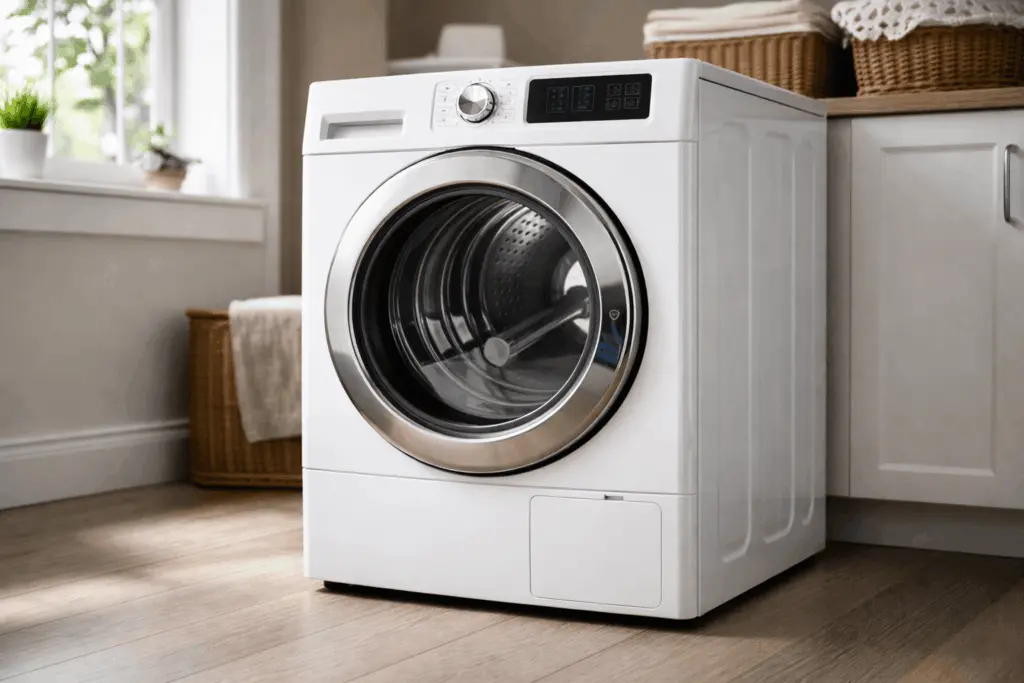
Washer maintenance does not take long, and it prevents the three things that send most people to the phone: a burst hose, a smelly drum and a machine that shakes itself across the floor. This article gives you seven habits, the reasons behind them, and a short section on keeping washers and dryers healthy during a Sacramento heat wave.
Table of Contents
A washer sits quietly for years and then fails on a laundry day, usually at the worst possible moment. The reason is usually something small that built up: lint in the pump, residue in the gasket, a hose that aged out. Seven habits of washer maintenance catch those things early.
Seven habits of good washer maintenance
- Replace the hoses on a schedule. Swap rubber hoses for braided stainless steel and replace them about every five years. Check them each year for bulges, cracks or rust at the fittings.
- Wipe the door gasket after use. On a front-loader, wipe around the rubber seal and under the lip, then leave the door ajar so the drum dries.
- Clean the drain pump filter. Every few months, open the small door at the bottom front, drain the water into a pan and clear coins, lint and hair. Top-loaders may have a lint screen or a filter in the agitator.
- Use the right amount of detergent. Use the type made for your washer, and measure it. More soap does not mean cleaner clothes.
- Run a monthly cleaning cycle. Use the machine’s clean cycle with a washer cleaner, or a hot cycle with a cup of white vinegar if the manual allows it.
- Balance and size your loads. Mix large and small items, and do not stuff the drum. A heavy lump of towels is the number one cause of banging and walking, and a half-empty drum with one heavy item is nearly as bad.
- Keep the machine level and the area clear. Check that all four feet are firm each time you clean behind it, and keep the space around the washer free of lint, boxes and detergent bottles.
Why washer maintenance starts with the hoses
For washer maintenance, hoses come first. They are the one washer part that fails with consequences beyond the washer. A hose under constant pressure ages from the inside, and a burst can pour water until you notice, which can ruin floors, drywall and cabinets and lead to a large cleanup bill. The cost of replacing hoses is small by comparison, and the job takes ten minutes. Turn the water off at the wall valves, unplug the washer, disconnect the old hoses over a bucket, fit the new ones with their rubber washers seated and run a short cycle to check for drips. Write the date on the hose with a marker so you know when it is due again.
Many people include this in washer maintenance and switch off the water valves when they go on vacation. It is a simple way to cut the risk to nothing for the time you are away.
A simple washer maintenance calendar
Habits stick when they are tied to dates. This washer maintenance calendar takes a few minutes at a time.
- After every load: wipe the gasket, leave the door or lid open, and remove wet clothes.
- Monthly: run the cleaning cycle and wipe the detergent drawer.
- Every three months: clear the drain pump filter and check the feet for level.
- Every year: inspect the hoses and the water inlet screens, and vacuum behind the machine.
- Every five years: replace the hoses, even if they look fine.

Detergent, loads and the drum in washer maintenance
The most common cause of problems that washer maintenance can fix is too much detergent. High-efficiency washers use little water, and excess soap does not rinse away completely. It leaves a film on the drum and the hoses, feeds mold, and can make the machine think a load is heavier than it is. Follow the line on the cap, use less in soft water and for small loads, and skip fabric softener if the manual advises it.
The other washer maintenance habit worth building is to remove wet clothes promptly. Wet laundry in a closed drum starts to smell within a day, and the smell sticks to the machine.
Heat-wave washer maintenance for washers and dryers
Before the first hot week, check the vent behind the dryer, empty the lint trap and make sure the washer’s hoses are not touching a hot dryer exhaust pipe.
Sacramento summers push laundry rooms to high temperatures, especially in garages and utility closets. Heat is hard on motors, control boards and rubber seals. Open the room’s door or run a fan, keep the area around the washer and dryer clear so the heat can escape, and avoid running several loads back to back on the hottest afternoons. Clean the dryer’s lint trap after every load and check the vent path for lint, since a restricted dryer vent raises the room temperature. If the machines are in the garage, move them out of direct sun if you can, and give them a few inches of clearance at the back.
These washer maintenance habits also help the machine last: a cooler laundry room is easier on the electronics.
Safety rules and when to stop and call
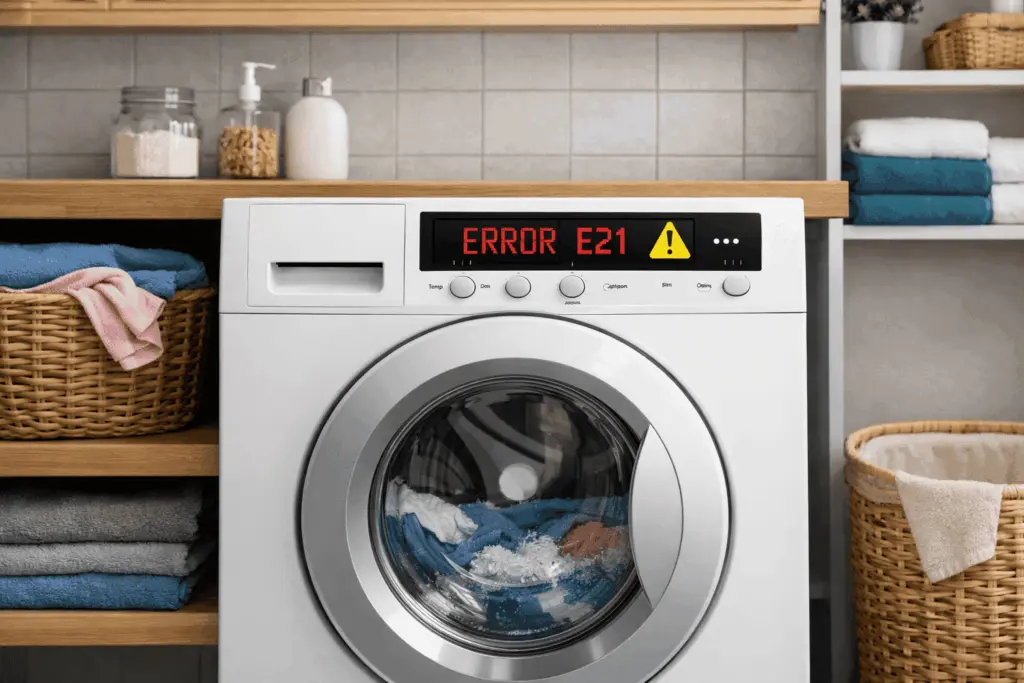
Unplug the washer before you open a panel or reach into the pump area, and shut off the water before you remove a hose. Never bypass a lid switch or door lock, never pry open a locked door that still holds water, and never run a leaking washer. If you smell gas near a gas dryer, leave the house and call the gas utility from outside, and do not touch switches.
Stop and call a technician if your washer maintenance does not fix a problem. Signs include grinding noise from the drum, a drum that will not spin, water that will not drain after you have cleaned the filter, a leak from the tub or pump, or a burning smell. The repair price depends on the part and the brand, and we quote it after looking at the machine. If the washer is old and has a major fault, the repair or replace calculator will help you decide.
Our washer repair page lists the brands we service, and our technician visits homes in West Sacramento and Sacramento. For troubleshooting a machine that has already stopped, see our guide to a washer not working. For a brand-new machine, our washer installation article covers the hookup. ENERGY STAR has general guidance on clothes washers.
If you would like a technician to check your machine, book a visit; our service call is $80.
Common questions
How often should washer hoses be replaced?
Replace rubber hoses about every five years, or sooner if you see bulges, cracks or rust at the fittings. Braided stainless steel hoses last longer, but still deserve a look each year. A burst hose can flood a home quickly.
Why does my front-load washer smell musty?
Moisture and detergent residue collect in the door gasket and drawer, and mold follows. Wipe the gasket after use, leave the door ajar between loads, use less detergent and run a washer-cleaning cycle monthly.
Can too much detergent damage a washer?
Yes. Extra detergent leaves a film in the drum and hoses, causes odors, traps lint and can confuse the sensors. High-efficiency washers need high-efficiency detergent in the amount on the label, usually less than people expect.
Related guides
Dishwasher Leaking? 7 Places to Check and Fix
A leaking dishwasher usually comes from one of seven spots. The dry-towel test tells you which one, and a few signs tell you when…
Dishwasher Not Working? 6 Signs You Need Repair
Not starting, not draining, not cleaning or too loud: here are the home tests for each, and six clear signs that it is time…
Washer Installation: 8 Steps and Mistakes to Avoid
Washer installation is a one-hour job if the space is ready. Eight steps cover shipping bolts, hoses, leveling and the drain, with a pre-delivery…