Hard Water and Heat: 6 Ways the Valley Hurts Appliances
Hard water appliances get a bad reputation in the Sacramento Valley, and some of it is deserved and some of it is not. Our summers are long and hot, and the water that feeds dishwashers, washers and ice makers carries dissolved minerals that can leave scale behind. This article separates what the local reports say from what sellers claim, and gives six ways the Valley wears machines down, with a seasonal prep list you can use in West Sacramento or Sacramento.
Table of Contents
Hard water appliances are a fair worry, but the facts matter. We are repair technicians, not a water lab, so we point to the public reports and keep our own claims to what we see in machines.
What the local water reports say
West Sacramento’s drinking water comes mainly from the Sacramento River, treated at the city’s own plant, according to City of West Sacramento documents. The most recent city water quality report we could find, from 2017, listed hardness at roughly 3 grains per gallon. Newer reports may differ, so check the current edition.
Sacramento is a different supply with a different mix. The City of Sacramento’s 2025 Consumer Confidence Report gives a hardness range from under 1 to about 9 grains per gallon, with an average near 5. Earlier reports have shown higher figures, and the number depends on which source feeds your street.
The takeaway for hard water appliances is honest and a little dull. Local water is moderate, not extreme, and it varies. Some websites claim much higher figures, and those are sales pages that we could not trace to a city report. Look up your own supplier’s report before spending on a softener. Moderate hardness still builds scale on hard water appliances, only more slowly.
Six ways the Valley hurts hard water appliances and others
- Scale on heating parts. Minerals bake onto dishwasher heating areas and washer elements, which then work harder.
- Clogged inlet screens and valves. Grit and scale block the small screens where water enters a washer, dishwasher or ice maker, so fill slows or stops.
- Refrigerator coils under heat strain. On a 100 degree day, a condenser has less cooling margin, so the compressor runs longer.
- Appliances in hot garages. A second fridge or freezer in a garage faces the worst of the heat, and the whole unit runs hot.
- Dryer vents and lint. Heat and lint together raise fire risk and drag out drying times.
- Peak summer demand. Heavy air conditioning use and storms put stress on supply, which is hard on circuit boards.
Each item is a different symptom of the same Valley conditions, and each has a cheap prevention. Hard water appliances need the first two, and every machine needs the rest. The list below takes them in turn.
Scale and hard water appliances in dishwashers and washers
You can spot scale before it causes a failure. Look for a chalky film on glasses and dark dishes, a crust on the spray arm holes, white crystals around the door or detergent drawer, or a washer that leaves clothes stiff. Run the machine’s cleaning cycle with a cleaner made for it, and follow the manual, since some makers advise against vinegar on rubber parts. Clean the inlet screens on washers when the hoses are disconnected and the water is off. Our dishwasher repair page covers the bigger faults that scale can lead to.
Does the area need a softener for hard water appliances?
A softener is a plumbing choice, and we do not sell or install them. What we can say is what scale does to hard water appliances: it narrows passages, coats heaters and wears seals. If your supplier’s report shows moderate hardness, regular cleaning cycles and clean screens may be enough. If you see heavy scale on faucets and glass, a plumber or water-quality specialist can test your tap and advise.
Test before you buy. A simple hardness test strip costs little and tells you more than a sales pitch. Test a sample from the tap that feeds the machine, since hard water appliances in the same house all see the same water but a filter or softener on one line may change it.
Heat: coils, garages and airflow
Summer heat does more harm to refrigeration than most people realize. A refrigerator rejects heat through its condenser coils. When the room is hot and the coils are dusty, the compressor runs for longer, and a machine that never rests wears faster. Vacuum the coils twice a year, leave a few inches of space at the back and sides, and keep the fridge out of direct sun and away from the oven.
A garage fridge needs extra care. Some models are not designed for very hot or very cold rooms, and may struggle to hold temperature. If food is losing cold on hot afternoons, look at the coils first and consider moving the unit indoors. Our refrigerator repair page explains what we check when cooling slips.
Dryers suffer in a quieter way. A vent that is packed with lint holds heat in, so cycles lengthen and parts run hot. Never defeat a safety thermostat or fuse to dry faster. If drying is slow, clean the lint trap and vent first, and read our dryer fire prevention advice.
Seasonal prep list for hard water appliances and heat
Use this as a calendar. It takes a few minutes in each season, and it covers hard water appliances as well as everything affected by summer heat.
- Spring: vacuum fridge coils, descale the dishwasher and washer per their manuals, clean washer inlet screens.
- Before summer: clear the dryer vent and duct, check the garage fridge for airflow, and make sure the door gaskets seal.
- Midsummer: avoid running the oven in the afternoon peak, and keep the kitchen vented. Do not overload the fridge.
- Fall: check the ice maker filter on the schedule in its manual, and run the washer cleaning cycle.
- Before the holidays: test the oven’s bake and broil, check that every burner lights, run a dishwasher cycle, and clear fridge space for the extra food.
The holiday check matters because that is when appliances work hardest. An oven that fails on the morning of a big meal, or a fridge full of food that warms, is a hard day. Surges in storm season can also damage electronics, so see our guide to power surge damage for protection.
When to stop and call
Call a technician if water pools under a machine, a fridge will not hold temperature after you have cleaned the coils, a dishwasher or washer will not fill, or a dryer smells hot. Unplug the appliance before you check anything behind it. If you smell gas near a range or dryer, leave and call the gas utility, and never work on a gas line yourself.
We repair these machines in West Sacramento, Sacramento, Davis, Woodland and the other towns we serve, and many fixes finish on the same day as the visit. If your hard water appliances are acting up, book a visit or call us. The service call is $80.
Common questions
Is West Sacramento water hard?
The city's own reports are the place to check. The most recent West Sacramento report we found lists a fairly low hardness, and Sacramento's varies by source and year. Look up your supplier's latest water quality report for the current number.
How do I know if scale is building up in my dishwasher?
Look for a white or gray film on glasses, chalky crust on the spray arms or heating area, and weaker spray from the holes. Check the manual for a descaling method that suits your model before trying anything.
Should I put my refrigerator in a hot garage?
If you can avoid it, no. A fridge that sits in triple-digit heat runs far longer and struggles to hold temperature. If it must stay there, give it space at the back and sides and keep the coils clean.
Related guides
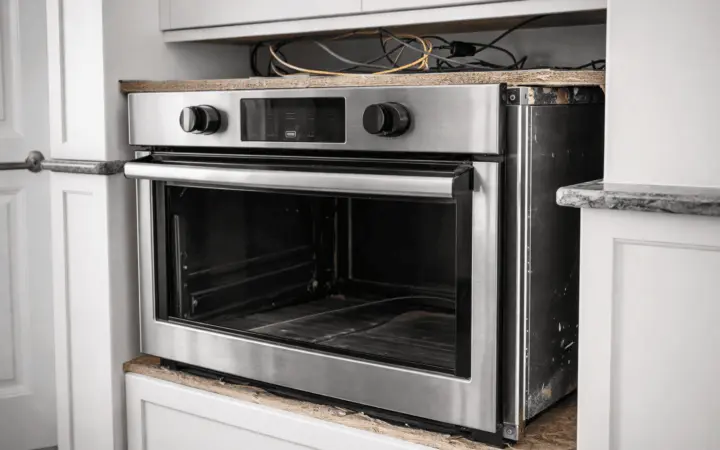
Oven Repair Cost in West Sacramento: What Sets the Price
Nobody can name your oven repair cost before someone looks at the oven. Here is what moves the price up or down, and how…
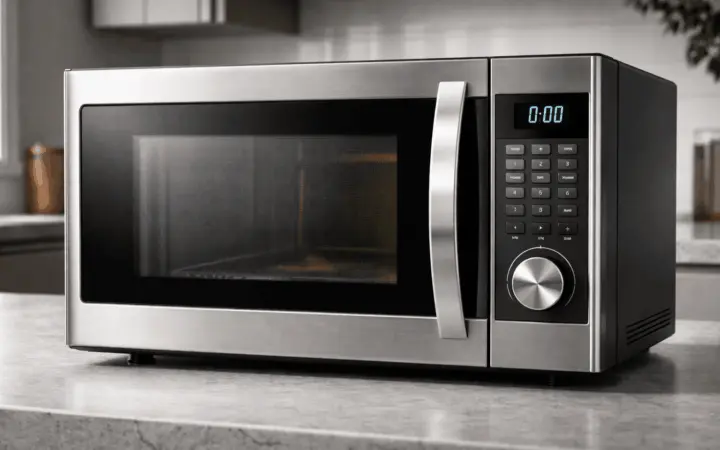
Microwave Installation: Over-the-Range and Built-In
Setting a countertop microwave on the counter is easy. An over-the-range or built-in unit is a different job. Here is what the work involves…
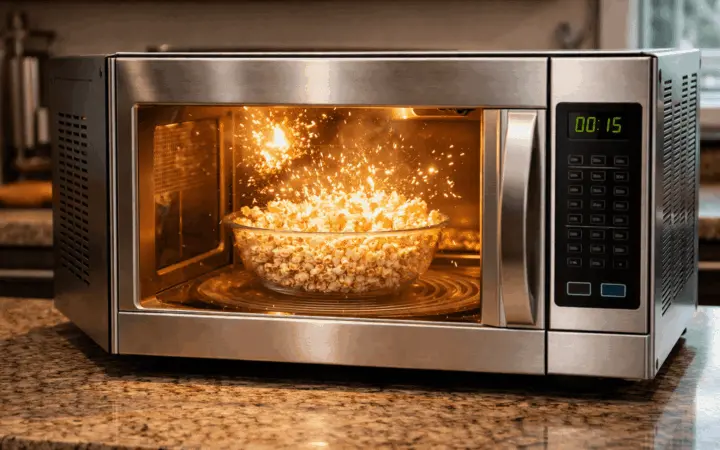
Microwave Maintenance: 7 Tips for Longer Life
Most microwaves die from grease, misuse or a worn door, not old age. Seven small habits of microwave maintenance, plus a short checklist for…