
Appliance Lifespan: How Long Each Appliance Lasts

Appliance lifespan is the number everyone wants and nobody can promise. A refrigerator in one house runs for twenty years and in the next gives up in ten. What we can do is share published ranges from a named source, explain what moves a machine toward the short or long end, and give you habits that help in a West Sacramento or Sacramento home.
Table of Contents
Treat every figure here as an average. They describe normal use with reasonable care, and they vary from one machine to the next.
Typical appliance lifespan, by appliance
Start with the numbers, then read the rest of the article to see why your machine might land above or below them. Appliance lifespan is a range, never a single date.
The figures below come from InterNACHI’s estimated life expectancy chart for homes, published by InterNACHI, a home inspector association. The chart says these are guidelines based on regular maintenance and normal wear, and not promises. Other sources give different numbers.
- Refrigerator: 9 to 13 years
- Freezer: 10 to 20 years
- Electric range: 13 to 15 years
- Gas range: 15 to 17 years
- Gas oven: 10 to 18 years
- Microwave oven: about 9 years
- Dishwasher: about 9 years
- Washing machine: 5 to 15 years
- Clothes dryer: about 13 years
- Food waste disposer: about 12 years
Notice how wide some of the ranges are. A washer at 5 or at 15 years is a ten-year gap, and the difference is mostly use and care. The chart does not list an ice maker, so we make no claim for one.
What an appliance lifespan range really tells you
A range tells you when to start paying attention. Past the middle of the range, ask yourself whether a repair is still a good use of money. Our repair or replace rules and the repair or replace calculator help with that decision. Within the range, a single failed part on a sound machine is usually worth fixing.
Six habits that stretch appliance lifespan
- Clean what breathes. Refrigerator condenser coils, dryer lint and vent ducts, and range hood filters all need airflow.
- Do not overload. An overloaded washer or dryer strains the motor, the drum bearings and the belt.
- Level the machine. A washer or fridge that rocks wears its feet, bearings and door seal unevenly.
- Use the right amount of detergent. Too much builds residue in a washer and a dishwasher.
- Protect the electronics. See our guide to power surge appliance damage, since a board is often the first part to fail.
- Fix small faults early. A leak, a noise or a slow cycle gets worse when ignored.
None of these costs much, and each protects the part that usually fails first. Good habits will not pull every machine to the top of its range, but they help it avoid the bottom.

Cleaning mistakes and pet hair
Some cleaning does harm. Scrubbing a door seal with an abrasive pad tears it. Spraying cleaner into control panels or vents can reach the electronics. Using harsh chemicals on a washer drum can pit the surface. Water that is left standing grows mold, so leave a washer door ajar between loads.
Pet hair is a hidden cause of early failure. It clogs a refrigerator’s condenser coils, which makes the compressor run longer and hotter. It also fills dryer lint traps and vent ducts and blocks the airflow, and it gets into dishwasher filters. In a home with a shedding dog or cat, give the coils and the vent a look more often than a household without pets. The appliance lifespan of a fridge in a hairy house can be shorter than one next door, and a vacuum with a brush attachment is the cure.
Energy use and when age matters
An older machine may also cost more every month. ENERGY STAR says refrigerators over 15 years old may cost noticeably more to run than a new ENERGY STAR model, and that a new unit saves most when the old one is recycled and not kept running in a garage. That is a reason to ask how an old appliance is performing, not only how old it is. A failing seal, a dirty coil or a worn motor all raise the running cost.
That is where appliance lifespan meets money. Weigh a repair against the energy it saves, not just the sticker on a new machine. If the unit is old and the part is minor, a repair is still often cheaper than a purchase.
Why a new appliance can fail early
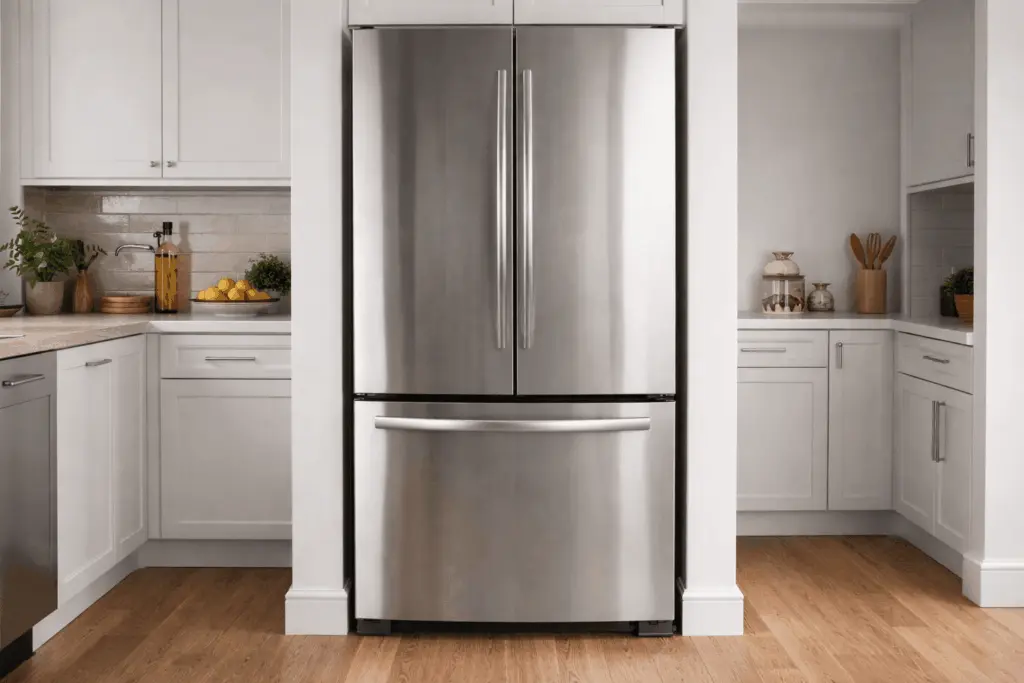
It is not unusual to see a young machine fail while an old one soldiers on. Several things contribute. Modern units rely on electronic boards, sensors and lighter parts, which can be hurt by surges and heat. A poor installation, such as a washer on an uneven floor or a fridge jammed against a wall with no airflow, adds stress. Heavy household use, hard water, and clogged filters all shave years off. And a defect from the factory is occasionally to blame.
The lesson for appliance lifespan is that age is only one input. Condition, use, installation and care count at least as much. Our hard water and heat article covers the local conditions that wear machines down.
Reading your own appliance lifespan clues
Your machine tells you more than a chart does. Find the age on the serial plate or in the paperwork, then ask three questions. Has it needed repairs in the last year or two? Is it noisier, slower or less effective than it was? Do the parts still come easily? A machine in the middle of its appliance lifespan with one repair behind it is a different case from one that has failed three times.
Keep a note on the inside of a cabinet door with the purchase date and each repair. When the next failure comes, that record makes the repair-or-replace decision much easier, and it helps our technician see the pattern too.

What to do with a machine near the end of its range
Do not panic when an appliance reaches the middle of its published appliance lifespan. Keep it clean, watch for new noises and leaks, and do the cheap checks first. When something fails, get the repair price for the part and compare it with what a replacement would cost. If you are unsure, a technician can tell you whether the machine is otherwise sound.
Our technician works on refrigerators, freezers, ranges, ovens, microwaves, dishwashers, washers and dryers in West Sacramento, Sacramento, Davis and Woodland. To find out where your machine stands on the appliance lifespan scale, book a visit or call us. The service call is $80.
Common questions
Is the lifespan on a chart a promise?
No. Published figures are averages for normal use and upkeep, and individual machines can fail much sooner or run far longer. Use them as a guide for planning, not as a date on which an appliance must be replaced.
Why did my newer appliance fail before an older one did?
Newer models rely more on electronic boards and sensors, which are exposed to surges and heat. Installation mistakes, a poor level, or hard use can also cut life short. Age is only one factor.
Does cleaning really make an appliance last longer?
Often, yes. Dust on refrigerator coils, lint in a dryer vent and residue in a dishwasher filter all force parts to work harder. Regular cleaning removes that strain and usually delays costly failures.
Related guides

Power Surge Appliance Damage: 5 Ways to Protect
Power surges rarely announce themselves. Here is which appliances suffer most, the signs of damage, and five ways to protect them, from a plug-in…

Smart Appliance Repair: 5 Issues You Cannot Fix Alone
A connected fridge or washer fails in ways the old ones never did. Five problems that need a technician, what you can safely try…
Hard Water and Heat: 6 Ways the Valley Hurts Appliances
Scale from minerals and weeks of triple-digit heat both shorten the life of home appliances. Here is what is true for our area, what…