
Refrigerator Installation: 9 Steps to Do It Right
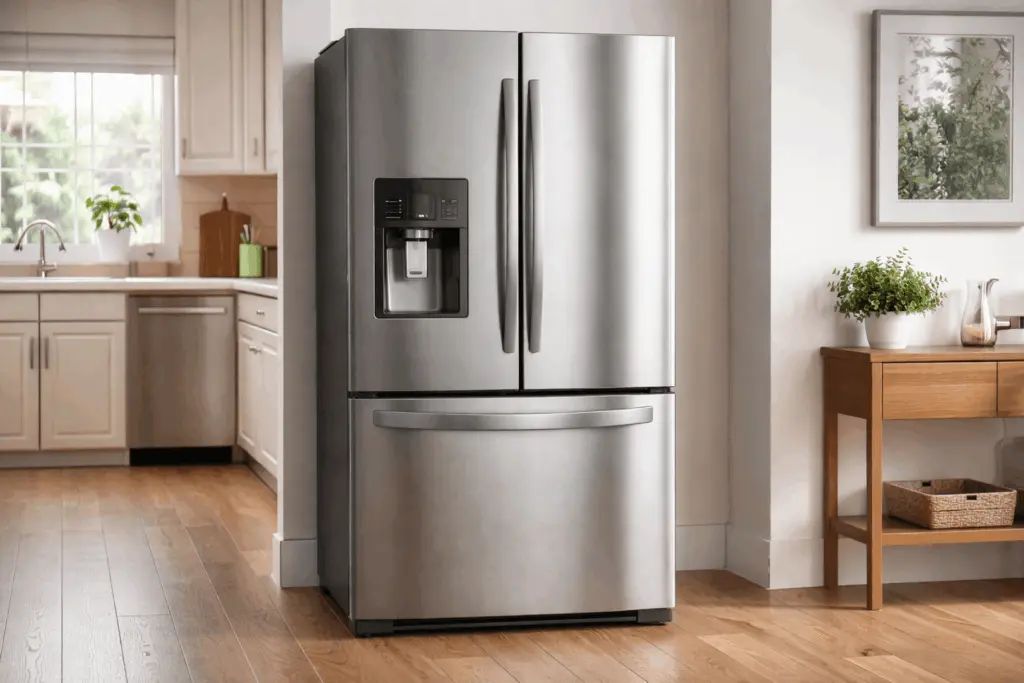
A smooth refrigerator installation is mostly preparation. Measure the path, check the outlet and the water valve, and the rest takes under an hour. This article covers nine steps from delivery day to the first night of running, the usual mistakes, and the cases where it is wiser to hire an installer.
Table of Contents
Refrigerators are heavy, awkward to move and unforgiving of shortcuts. A cabinet that is not level fights its own door. A water line that is pinched behind the unit can leak for weeks before anyone notices. Careful refrigerator installation avoids both.
Before delivery day: measure and plan
Measure the refrigerator (height, width and depth with the door handles) and compare it with the opening, then measure the route in: front door, hallway turns, stairs and any tight corner. If the path is narrow, take the doors off the fridge; most models allow this with a screwdriver or a wrench, and the removal steps are in the installation sheet. Also keep a helper on hand, because even an empty refrigerator is heavy and top-heavy on a hand truck, and one slip can crush a toe or gouge a floor. Note which way the door swings, since many models let you reverse it, and confirm the swing does not hit a wall or an island.
Check the outlet before refrigerator installation day. A refrigerator needs a grounded outlet, usually a standard household one that is not shared with a heavy appliance. If you have a line-fed ice maker, find the water valve and confirm it works. Prepare the floor too, because an old refrigerator may have been hiding wear or a small leak.
Nine steps for a refrigerator installation
Follow these refrigerator installation steps in order. If you have a built-in or a panel-ready unit, treat the manufacturer sheet as the authority.
- Clear the path and protect the floor. Lay cardboard or a moving blanket. Remove rugs and anything on the route.
- Shut off the water and power to the old unit. Unplug it, close the supply valve and disconnect the line. Expect a little water in the tube.
- Remove the old refrigerator. Use a hand truck and a helper. Pull it straight out so you do not tear the line or scratch the floor.
- Inspect the opening. Check the width, the depth and the outlet. Sweep behind and under the space and look for rust or water marks at the valve.
- Attach the water line. Connect the tube to the inlet valve on the back and leave a loop of slack so the unit can slide in without kinking it. Do not tighten past snug.
- Slide the unit into place. Move it slowly and watch the line. Leave the clearances in the manual, which usually include a gap at the back and the sides for airflow.
- Level the cabinet. Adjust the front feet or rollers so the front sits slightly higher than the back, which helps the door close by itself. Check side to side with a level.
- Plug in, set the controls and flush the water line. Set about 37F in the fridge and 0F in the freezer. Run a few cups through the dispenser to clear air.
- Wait before loading food. Let it run empty until it reaches temperature, often several hours to a full day. Check for leaks at the fitting after an hour and again the next morning.
The first 24 hours after refrigerator installation
The first day is when most refrigerator installation problems appear, and a short check saves trouble. Look under the fridge for water after the first hour. Listen for rattling from the drain pan or a fan blade. Confirm the doors close fully and that the light goes off when they do. Put a thermometer in a glass of water on the middle shelf and read it at the end of the day. If the fridge is not at about 40F by then, give it another day before you start to suspect a fault, since a new unit sometimes takes a while to pull down.
After refrigerator installation, the ice maker may take up to a day to start making ice, and the first few batches should be thrown away to clear the system. Do not judge the unit by the first ice.
Common mistakes in refrigerator installation
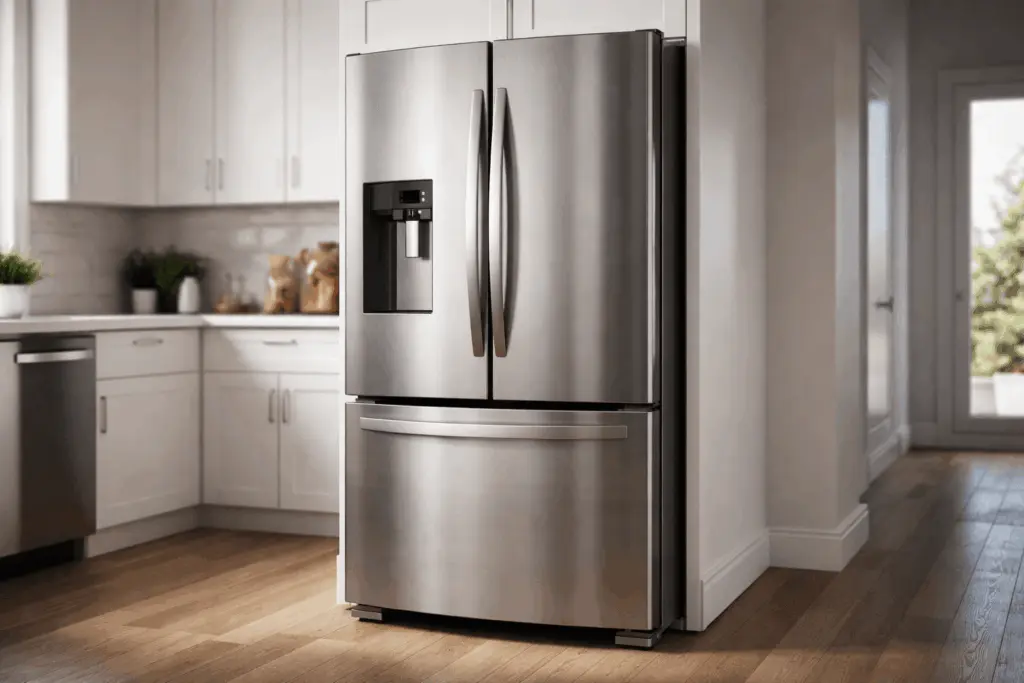
- Pushing the unit flat against the wall. The condenser needs air. A refrigerator with no clearance runs hot and uses more power.
- Kinking or crushing the water line. A pinched tube makes small cubes or no ice and can burst under pressure.
- Using an extension cord or a shared power strip. Plug directly into the wall outlet.
- Leaving the unit unlevel. Doors swing open, frost builds, and the drain pan runs unevenly.
- Loading food too soon. Warm food in a warm cabinet makes the compressor run for hours.
- Using the wrong tubing or an old saddle valve. A saddle valve that has been in a wall for a long time is a leak risk; a proper shutoff valve is a better choice.
When to hire help for refrigerator installation
A basic freestanding refrigerator installation is a reasonable weekend job for two people. Hire help for built-in and panel-ready models, double-door models that are too heavy to move safely, stairs or steep paths, and any job that needs a new water line, a new valve or a new outlet. Our refrigerator repair page lists the brands we service, and we handle appliance installation in West Sacramento, Sacramento and the surrounding service area, so you can ask us when you book.
Safety rules for refrigerator installation
Unplug the old refrigerator before you touch anything, and keep water away from the outlet. Never touch a gas line or gas valve in the same kitchen while you rearrange appliances. If you smell gas, leave the home and call the gas utility from outside.
Stop the refrigerator installation and call if you find a damaged outlet, a scorched plug, a valve that will not shut off, a water line that will not stop weeping after you have tightened it, or a unit that will not start after a day of rest. Do not run it while you wait. Do not try to repair the sealed refrigerant system or compressor yourself.
If the new refrigerator warms up after a good refrigerator installation, our guide to a refrigerator not cooling shows what to check next, and the appliance diagnosis tool can help you sort the symptoms. ENERGY STAR also lists efficient refrigerator models if you are still choosing a unit.
When you want a second pair of hands for the job, book a visit and mention it is an installation; our service call is $80.
Common questions
How long should a new refrigerator sit before I plug it in?
Follow the manual. Many makers say to keep it upright for a few hours after delivery so the oil settles, and some say to wait up to 24 hours. If it was laid down in transit, wait the longer time before plugging it in.
Can I use an extension cord for my refrigerator?
No. Plug it directly into a grounded outlet that is not shared with a heavy load. Extension cords and power strips can overheat or drop the voltage, which stresses the compressor and creates a fire risk.
What clearance does a refrigerator need around it?
Most models need about an inch at the sides and top and a couple of inches at the back for air flow, but the number varies. Check the installation sheet for your model, and measure the opening before delivery day.
Related guides
Refrigerator Leaking Water? 6 Causes and Fixes
A refrigerator leaking water usually comes from one of six places. Here is how to find the source in ten minutes, which fixes are…
5 Refrigerator Repair Signs You Should Not Ignore
Most refrigerators tell you something is wrong weeks before they quit. These five refrigerator repair signs are ranked by urgency, with a sound guide…

Refrigerator Not Cooling? 7 Checks Before You Call
A refrigerator not cooling is usually one of a handful of faults. Here are seven safe checks, in the order a technician would run…