
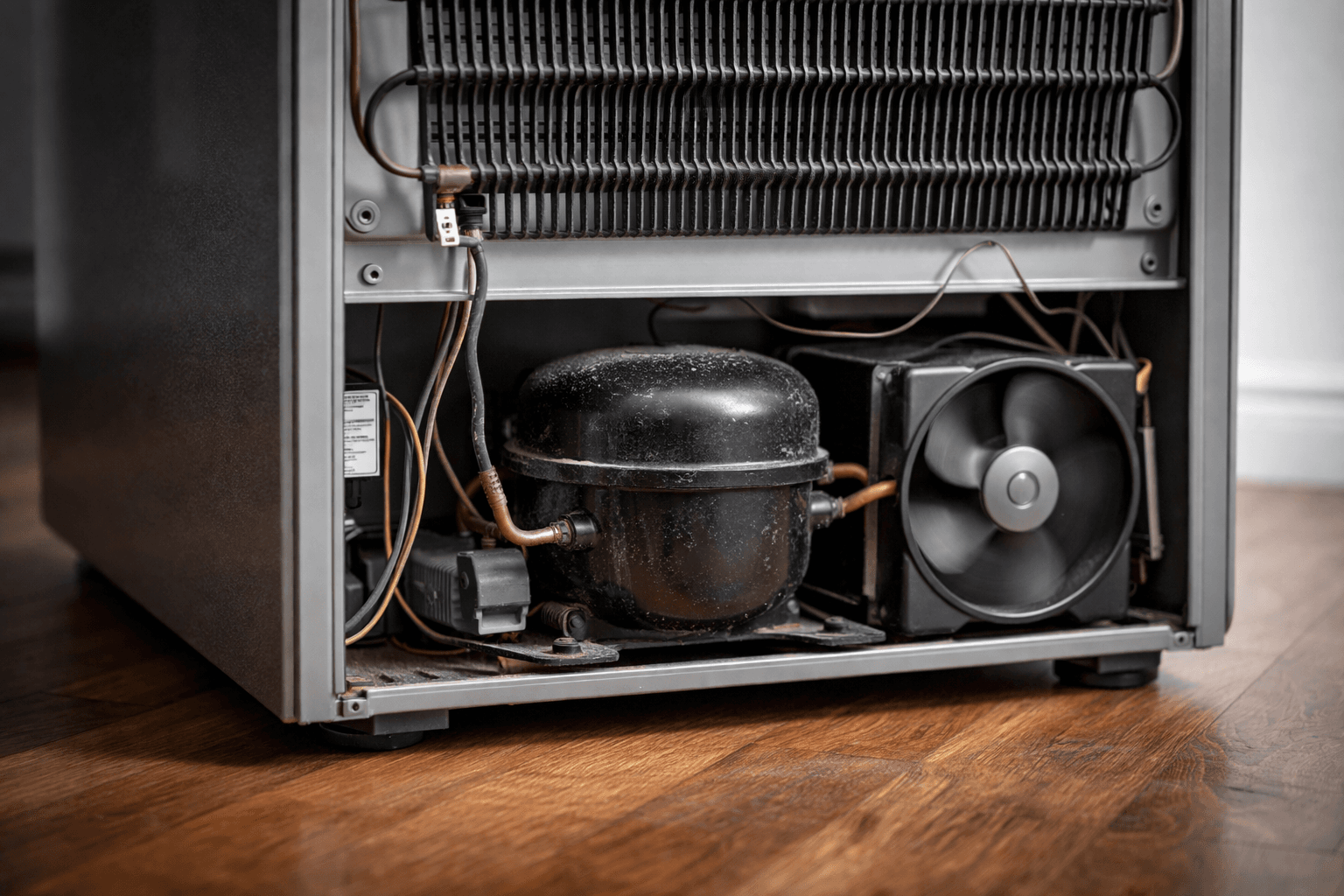
Understanding Common Refrigerator Noises
Understanding common refrigerator noises is essential for maintaining your appliance and ensuring it operates efficiently. Refrigerators emit various sounds during their normal operation, but some noises may indicate underlying issues that require attention. By familiarizing yourself with these sounds, you can effectively troubleshoot common refrigerator noise issues.
One of the most common noises is a humming sound, which typically indicates that the compressor is running. This is a normal function; however, if the humming becomes excessively loud or is accompanied by vibrating sounds, it may signal a problem with the compressor or the fan. Similarly, clicking or popping noises can occur as the defrost timer switches on and off. While this is usually normal, persistent clicking may suggest a malfunctioning component.
Buzzing sounds may arise from the condenser fan or the water inlet valve, and if they persist, it may indicate a blockage or mechanical failure. If your refrigerator starts making a gurgling sound, this is often just the refrigerant circulating through the coils, but if it’s accompanied by pooling water, it could suggest a blockage in the defrost drain. Understanding these common noises is crucial for identifying potential issues early and taking appropriate action.
Identifying the Source of the Noise
Identifying the source of the noise your refrigerator is making is a crucial step in understanding how to troubleshoot common refrigerator noise issues. Refrigerators can produce a variety of sounds, each indicating different underlying problems. For instance, a humming noise may suggest that the compressor is running normally, while a clicking sound could indicate that the start relay is failing.
To effectively pinpoint the noise source, start by listening closely to the sounds your refrigerator emits. Take note of when the noise occurs—whether it’s constant or intermittent—and if it’s associated with specific functions, such as cooling cycles or ice-making. This information can help narrow down potential causes.
Next, ensure that the refrigerator is level and properly installed. An unbalanced unit can lead to vibrations that manifest as unwanted noise. Additionally, check for any items placed on top of or near the fridge that may be vibrating against the appliance.
Lastly, consider the age of your refrigerator. Older models may naturally develop more noise issues due to wear and tear. By following these steps, you will be better equipped to diagnose the problem and understand how to troubleshoot common refrigerator noise issues.
Step-by-Step Troubleshooting Guide
Welcome to our comprehensive Step-by-Step Troubleshooting Guide, designed to help you understand how to troubleshoot common refrigerator noise issues. Refrigerators can produce a variety of sounds, some of which are perfectly normal, while others may indicate a problem that needs attention.
First, it’s important to identify the type of noise your refrigerator is making. Common sounds include buzzing, clicking, gurgling, and humming. Each of these noises can point to different issues, such as a malfunctioning compressor, a blocked fan, or even an uneven surface. Start by examining the area around your refrigerator to ensure it is level and stable, as this can often eliminate unnecessary noise.
If the noise persists, the next step is to inspect the condenser coils. Dust and debris can accumulate on these coils, leading to increased noise levels and reduced efficiency. Cleaning the coils can often resolve these issues. Additionally, check the fan blades for any obstructions or damage that may be causing unusual sounds.
Lastly, if you’ve followed these steps and the noise continues, it may be time to consult a professional technician. Proper maintenance and timely repairs can extend the lifespan of your refrigerator and ensure it operates quietly and efficiently.
When to Call a Professional
When it comes to addressing refrigerator noise issues, knowing when to call a professional can save you time and prevent further damage to your appliance. While many common sounds can be attributed to normal operation, persistent or unusual noises may signal an underlying problem.
First, if you have attempted basic troubleshooting—such as checking for loose components, ensuring the refrigerator is level, and cleaning the condenser coils—and the noise persists, it may be time to seek expert assistance. For instance, if you hear a loud humming or buzzing sound that doesn’t subside, this could indicate a failing compressor or an issue with the fan.
Additionally, if you notice clattering or grinding noises, this could suggest that internal parts are misaligned or damaged. In these cases, attempting further DIY repairs could lead to more significant issues, making it crucial to call a professional. They possess the expertise to accurately diagnose and resolve the problem, ensuring your refrigerator operates efficiently and prolonging its lifespan.
Ultimately, if you find yourself questioning how to troubleshoot common refrigerator noise issues, trusting a qualified technician can provide peace of mind and restore your appliance to optimal performance.