Understanding Ice Maker Components
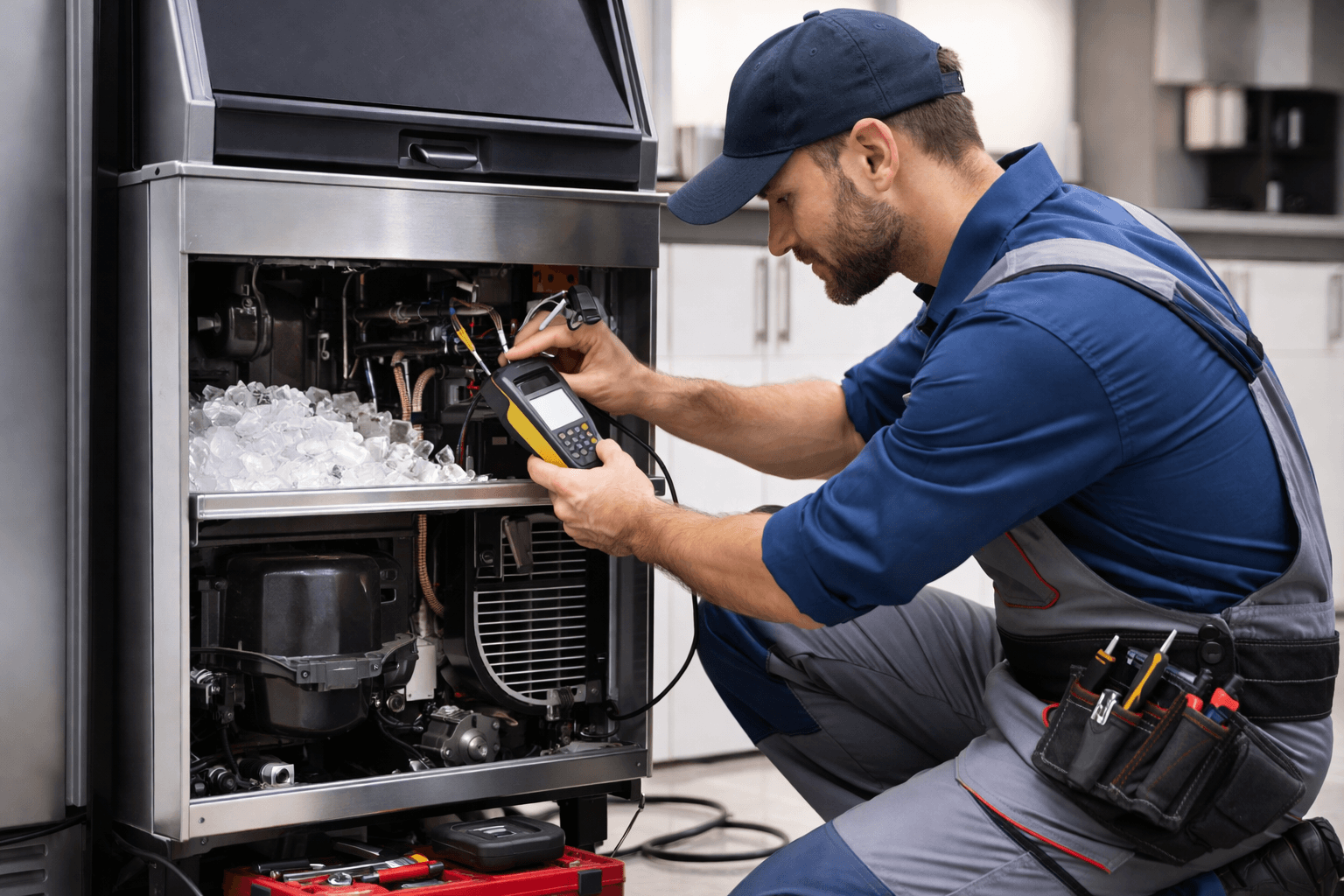
Understanding the components of your ice maker is essential for maintaining optimal performance and addressing any issues that may arise. Ice makers are typically composed of several key parts, including the water inlet valve, ice mold, heating element, and control module. Each of these components plays a crucial role in the ice-making process.
The water inlet valve regulates the flow of water into the ice maker, ensuring that it receives the right amount to create ice cubes. If you experience problems with ice production, this component may be a common culprit. The ice mold is where water freezes to form ice cubes, and any malfunction here can lead to incomplete or malformed ice.
Another vital component is the heating element, which helps release the ice cubes from the mold once they are formed. If your ice maker is not dispensing ice properly, issues with the heating element may be to blame. Finally, the control module oversees the entire ice-making process, coordinating the functions of all other components. Understanding these parts not only helps you diagnose and fix problems but also equips you with the knowledge necessary for routine maintenance.
If you’re wondering how to fix ice maker issues in your fridge, start by inspecting these key components. Regular checks can prevent minor issues from escalating, ensuring your ice maker continues to operate efficiently.
Common Ice Maker Problems
Ice makers are essential appliances in many households, providing convenient access to ice for beverages and food preservation. However, like any mechanical device, they can experience issues that hinder their performance. Understanding common ice maker problems is the first step toward effective troubleshooting.
One prevalent issue is the ice maker not producing ice at all. This can be caused by various factors, including a clogged water line, a malfunctioning water inlet valve, or even a temperature issue within the freezer. To resolve this, first check the water supply and ensure that there are no blockages. If your fridge’s temperature is above the recommended setting, it may prevent ice formation.
Another common problem is the ice maker producing insufficient ice. This could stem from a full ice bin, which can block the ice maker’s sensor, or it might indicate a deeper issue such as a failing compressor. To fix ice maker issues in your fridge, regularly check and empty the ice bin to ensure optimal operation.
Lastly, if the ice has an odd taste or odor, it may be time to clean the ice maker and replace the water filter. Maintaining your ice maker with regular cleaning and monitoring will help extend its lifespan and ensure a steady supply of clean ice.
Step-by-Step Troubleshooting Guide
If you’re experiencing ice maker issues in your fridge, don’t worry—our step-by-step troubleshooting guide will help you identify and fix the problem efficiently. Knowing how to fix ice maker issues in your fridge can save you time and money, ensuring that you enjoy the convenience of ice whenever you need it.
First, check the power supply. Ensure the ice maker is plugged in and that there are no tripped circuit breakers. A simple reset can often resolve minor electrical issues. Next, inspect the water supply line. Make sure it is not kinked, frozen, or blocked. A proper water supply is essential for your ice maker to function correctly.
Additionally, examine the ice maker settings. Sometimes, the ice maker may be turned off or set to a low production level. Adjust the settings as necessary and allow some time for the ice maker to start producing ice again. If your ice maker has a sensor, make sure it is clean and unobstructed, as this can affect its operation.
Finally, if these steps do not resolve the issue, consider referring to your fridge’s user manual for specific troubleshooting tips. If problems persist, it may be time to contact a professional technician to diagnose and repair more complex issues.
When to Call a Professional
While many ice maker issues in your fridge can be resolved with simple troubleshooting techniques, there are specific instances when it’s essential to call a professional. If you’ve tried basic fixes—such as checking the water supply, cleaning the filter, or ensuring the ice maker is turned on—and your ice maker is still not functioning, it might be time to seek expert help.
Another indication that you should contact a technician is if you notice unusual sounds or leaks coming from your fridge. These could signify underlying mechanical problems that require specialized knowledge and tools to address. Additionally, if your ice maker is producing ice but it’s discolored or has an off-taste, this could indicate issues with your water supply or filtration system, which a professional can diagnose accurately.
In summary, knowing when to call a professional is crucial for effectively handling ice maker issues in your fridge. If your DIY efforts have failed or if you encounter any complex problems, it’s best to rely on a qualified technician to ensure your appliance is repaired safely and efficiently.