Understanding Common Appliance Issues
As a homeowner, encountering appliance issues can be both frustrating and confusing. Understanding common appliance issues is crucial in maintaining the efficiency and longevity of your home appliances. This beginner’s guide to appliance diagnosis for homeowners will help you identify and address these problems effectively.
One of the most frequent issues homeowners face is a malfunctioning refrigerator. Symptoms such as unusual noises, insufficient cooling, or a leaking water supply can indicate the need for immediate attention. By recognizing these signs early, you can prevent more significant damage and costly repairs.
Another common problem is with washing machines, which can sometimes fail to drain properly or exhibit unusual vibrations during the spin cycle. These issues may stem from clogged hoses or unbalanced loads, both of which can be resolved with simple troubleshooting techniques.
Additionally, ovens and stoves may present issues like uneven cooking or failure to ignite. Understanding the basics of appliance diagnosis allows you to explore potential solutions, such as checking gas connections or inspecting heating elements.
In conclusion, by familiarizing yourself with these common appliance issues and employing this beginner’s guide to appliance diagnosis for homeowners, you can save time and money while ensuring your appliances run smoothly.
Basic Diagnostic Techniques
In the realm of home maintenance, understanding basic diagnostic techniques is essential for homeowners. This Beginner’s Guide to Appliance Diagnosis for Homeowners aims to empower you with the skills to identify common appliance issues before they escalate into costly repairs.
First, familiarize yourself with your appliances. Read the user manuals to understand their functions and common troubleshooting protocols. Knowing how your appliance should operate is crucial in diagnosing problems effectively. For example, if your refrigerator is not cooling properly, check if the door seals are intact and if the temperature settings are correct.
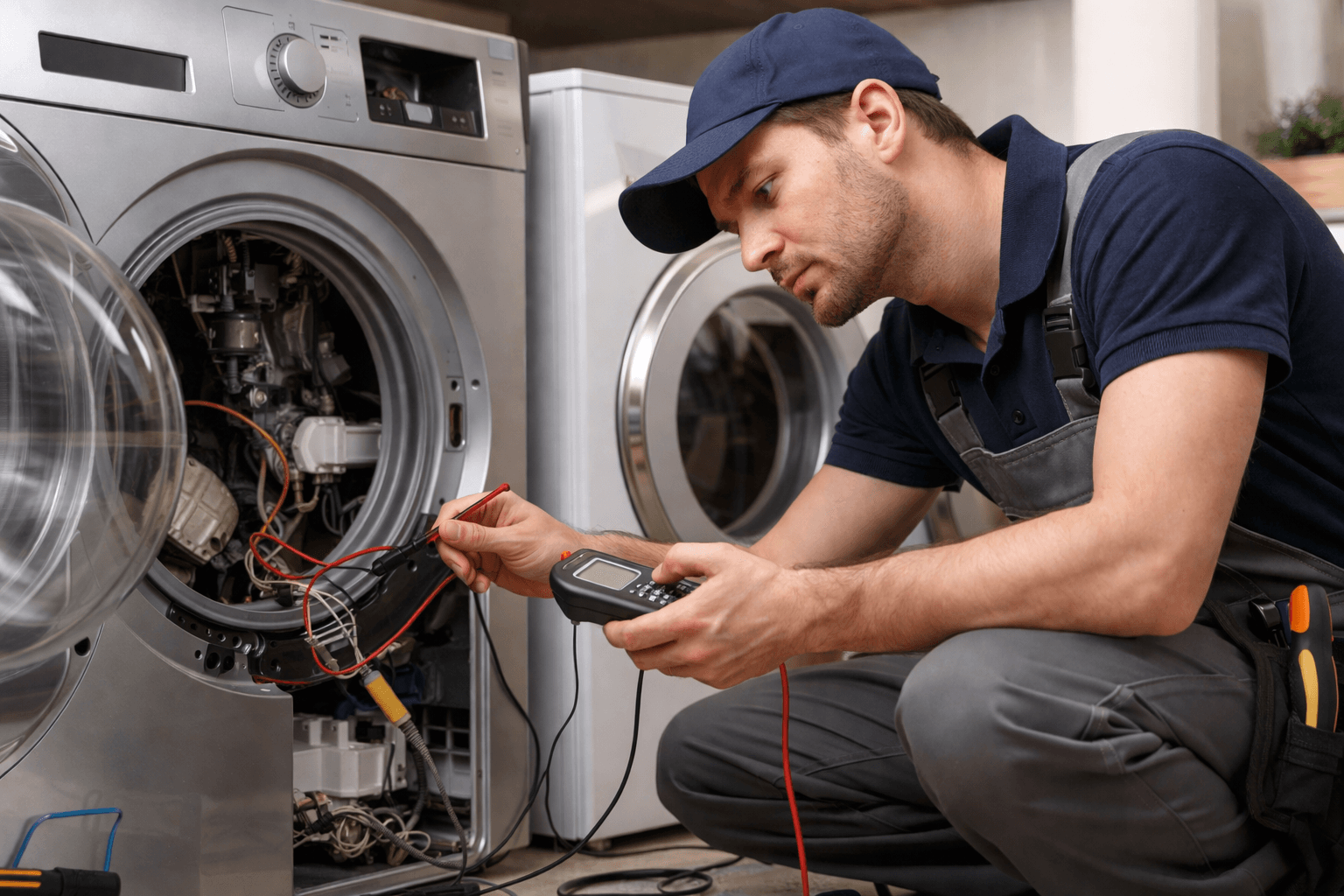
Next, observe the symptoms. Does the appliance make unusual noises, or does it fail to start? Taking notes on these symptoms can help you pinpoint the issue quickly. Moreover, learning to use basic tools such as a multimeter can assist in checking electrical connections and ensuring that power supply issues are not at play.
Lastly, don’t hesitate to consult online resources or forums dedicated to appliance repair. Many homeowners share their experiences and solutions, providing valuable insights that can aid in your diagnostic efforts. By following these basic diagnostic techniques, you can save time and money while ensuring the proper functioning of your household appliances.
When to Call a Professional
As a homeowner, understanding the basics of appliance diagnosis is essential. However, knowing when to call a professional can save you time, money, and potential hazards. In this A Beginner’s Guide to Appliance Diagnosis for Homeowners, we highlight key indicators that signal it’s time to seek expert assistance.
Firstly, if your appliance is making unusual noises, emitting strange smells, or showing error codes that you cannot decipher, these are crucial signs that professional help is needed. Attempting to troubleshoot complex issues without the right expertise can lead to further damage.
Secondly, if your appliance is under warranty, it’s wise to consult a professional rather than risk voiding it by attempting repairs yourself. Manufacturers often require certified technicians for servicing under warranty conditions.
Lastly, if you encounter safety concerns, such as electrical faults or gas leaks, prioritize your safety by calling a licensed professional immediately. In these cases, acting quickly can prevent potential accidents.
In conclusion, while diagnosing appliance issues can be straightforward for simple problems, knowing when to call a professional is critical. Rely on this A Beginner’s Guide to Appliance Diagnosis for Homeowners to make informed decisions and ensure your appliances are in safe hands.
Maintenance Tips for Longevity
Maintaining your appliances is crucial for ensuring their longevity and optimal performance. In this section, we will explore essential maintenance tips that every homeowner should follow. By incorporating these practices into your routine, you can prevent common issues and extend the life of your appliances.
Firstly, regular cleaning is vital. Dust and debris can accumulate in and around your appliances, leading to inefficiencies and potential breakdowns. Make it a habit to wipe down surfaces, remove dust from vents, and check filters regularly. This simple act not only enhances performance but also reduces energy consumption.
Secondly, familiarize yourself with the specific maintenance requirements of each appliance. For instance, refrigerators benefit from periodic defrosting and checking door seals, while washing machines may require attention to hoses and drum cleanliness. A Beginner’s Guide to Appliance Diagnosis for Homeowners can provide detailed insights into these processes, helping you identify and address minor issues before they escalate.
Lastly, consider scheduling professional inspections annually. A trained technician can spot potential problems that might not be visible to the average homeowner. This proactive approach can save you money on repairs in the long run and keep your appliances running smoothly for years to come.